Switching Gears A Guide to Electric Motor Service and Maintenance
Understanding Electric Motors and Their Applications
Types of Electric Motors in Manufacturing
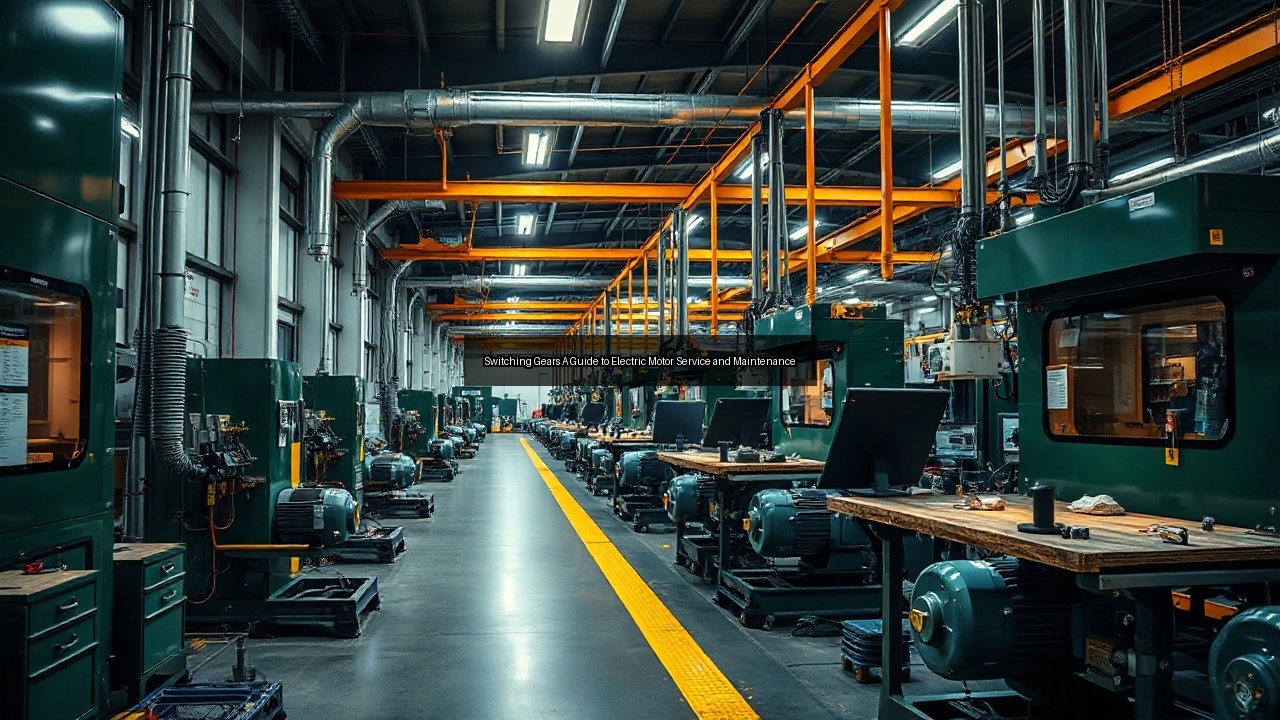
Manufacturing facilities rely on electric motors to drive conveyors, pumps, and assembly lines with precision. AC induction motors handle heavy loads in production environments, while DC motors deliver variable speed control for specialized equipment. Synchronous motors maintain consistent speeds in high-torque applications. Each type demands targeted electric motor repair when bearings wear or windings fail. Facilities track motor performance to schedule interventions before breakdowns halt operations. Proper selection of motor types reduces downtime and extends equipment life across manufacturing sectors. Technicians inspect insulation resistance and alignment during routine checks to prevent failures that disrupt production schedules.
Role of Electric Motors in Generators
Electric motors function as generators when driven by external mechanical power sources. This setup converts rotational energy into electrical output for backup power systems. Maintenance crews align couplings and monitor brush wear to sustain generator performance. Faulty windings or damaged rotors require immediate electric motor repair to restore output capacity. Regular testing of insulation and commutators prevents voltage drops during critical operations. Facilities integrate these motors into generator sets for seamless power transitions. Effective service practices keep generator systems reliable under varying load conditions and environmental stresses.
Importance of Electric Motors in Automation
Automation systems depend on electric motors for robotic arms, conveyor controls, and positioning equipment. Servo motors provide exact torque and speed adjustments essential for assembly accuracy. Stepper motors execute precise incremental movements in packaging lines. When issues arise, prompt electric motor repair restores automation flow and prevents costly production halts. Engineers integrate variable frequency drives to optimize motor efficiency in automated environments. Consistent upkeep of these components supports uninterrupted manufacturing cycles and improves overall system responsiveness.
Essential Components of Electric Motor Repair
Key Parts of Electric Motors
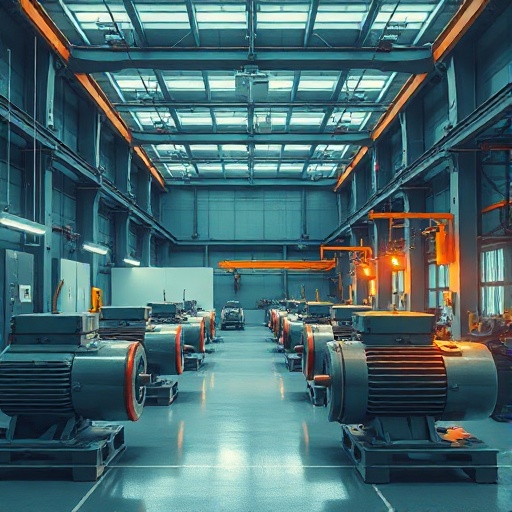
Electric motors contain stators, rotors, bearings, and end bells that work together to convert electrical energy into mechanical motion. Stator windings generate magnetic fields, while rotors transfer torque to driven equipment. Bearings reduce friction and support shaft rotation under load. During electric motor repair, technicians replace worn bearings and rewind damaged coils to restore full function. Seals protect internal components from contaminants that accelerate deterioration. Understanding these parts enables targeted interventions that address root causes rather than symptoms alone. Quality replacement components ensure motors return to service with original performance levels intact.
Understanding Switchgear in Motor Systems
Switchgear protects electric motors from overloads, short circuits, and phase imbalances in industrial setups. Circuit breakers and contactors interrupt power during faults to prevent catastrophic damage. Maintenance includes testing trip settings and inspecting connections for corrosion. Proper switchgear operation supports reliable motor starts and stops across demanding cycles. When switchgear fails, coordinated electric motor repair restores both protection and control functions. Facilities calibrate relays regularly to match motor ratings and load profiles. This integration safeguards equipment and personnel during daily operations.
The Role of Gears in Motor Functionality
Gears transmit power from electric motors to driven machinery while adjusting speed and torque. Helical and planetary gear sets handle high loads in manufacturing equipment. Misalignment or tooth wear increases vibration and reduces efficiency. Technicians perform electric motor repair alongside gear inspections to realign shafts and replace damaged components. Lubrication schedules prevent scoring and pitting on gear surfaces. Matching gear ratios to motor output optimizes energy use and extends service intervals. Effective gear maintenance complements motor repairs for complete system reliability.
Preventative Maintenance for Electric Motors
Creating a Maintenance Schedule
A structured maintenance schedule outlines inspection intervals for lubrication, alignment, and electrical testing. Weekly visual checks catch early signs of overheating or unusual noise. Monthly tasks include insulation resistance measurements and bearing temperature monitoring. Quarterly overhauls address deeper issues through electric motor repair when needed. Annual comprehensive evaluations verify overall condition and performance. Documented schedules improve compliance with safety standards and reduce unexpected failures. Teams adjust intervals based on operating hours and environmental factors to match actual equipment demands.
Vibration Analysis Techniques
Vibration analysis detects imbalances, misalignment, and bearing defects in electric motors before they cause shutdowns. Portable analyzers capture frequency spectra that reveal specific fault patterns. Baseline readings establish normal operating signatures for comparison over time. Rising amplitudes at particular frequencies signal the need for targeted electric motor repair. Technicians balance rotors and correct alignments based on analysis results. Regular vibration monitoring extends motor life and lowers overall repair costs across industrial fleets. Data trends guide predictive interventions that outperform reactive approaches.
Common Signs of Wear and Tear
Excessive heat, unusual noises, and reduced torque output indicate advancing wear in electric motors. Burnt insulation odors or visible scorching point to winding degradation. Increased current draw often accompanies mechanical binding from worn bearings. Addressing these signs through electric motor repair prevents cascading failures in connected equipment. Operators log performance metrics to spot gradual declines early. Replacement of seals and brushes during scheduled stops maintains efficiency. Early detection of wear patterns supports proactive decisions that protect production continuity.
Troubleshooting Electric Motor Issues
Identifying Common Electric Motor Problems
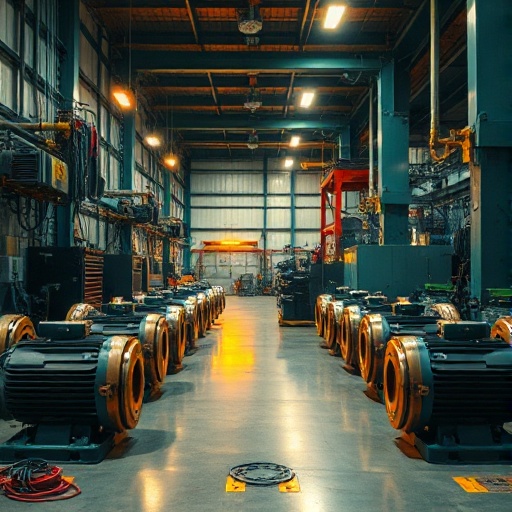
Electric motors commonly experience bearing failure, winding shorts, and rotor bar breakage under continuous operation. Overload conditions cause thermal stress that weakens insulation over months or years. Phase loss leads to uneven heating and vibration spikes. Accurate identification guides efficient electric motor repair strategies. Technicians use multimeters and megger tests to isolate electrical faults from mechanical ones. Pattern recognition from past incidents accelerates diagnosis in similar equipment. Thorough problem identification reduces repeat repairs and improves long-term motor reliability.
Step-by-Step Electric Motor Troubleshooting Process
Begin troubleshooting by verifying power supply and control signals at the motor terminals. Measure voltage balance across phases and check for ground faults with insulation testers. Rotate the shaft manually to detect mechanical binding or excessive play. Record current draw under load to compare against nameplate ratings. Replace failed components during electric motor repair only after confirming root causes. Reassemble and test run the motor at no-load before returning it to production. Document each step to build reference data for future incidents. This methodical approach minimizes diagnostic time and prevents unnecessary part replacements.
When to Seek Professional Repair Services
Complex faults involving rewinding, rotor balancing, or switchgear integration require professional electric motor repair services. In-house teams handle basic lubrication and alignment, yet specialized equipment and expertise become essential for major overhauls. Facilities evaluate downtime costs against service quotes to decide on external support. Certified shops provide warranties and performance guarantees that protect investments. Timely engagement of experts prevents secondary damage to driven equipment. Clear criteria for escalation maintain consistent motor availability across operations.
Choosing the Right Repair and Maintenance Services
What to Look for in a Motor Repair Shop
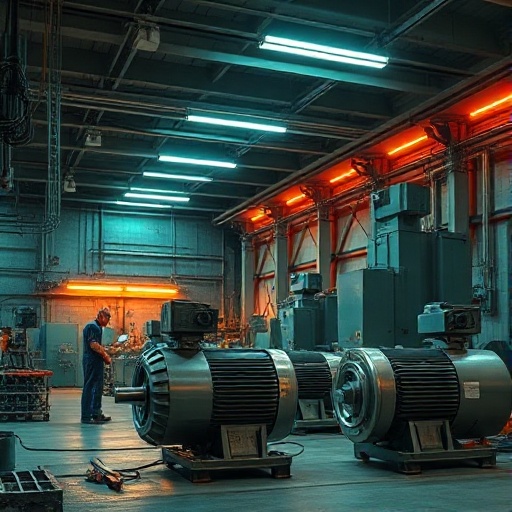
Reputable motor repair shops maintain ISO certifications, modern test equipment, and experienced technicians. They offer comprehensive electric motor repair including dynamic balancing and vacuum pressure impregnation for windings. Quick turnaround times and detailed failure reports demonstrate operational competence. Facilities verify shop capabilities through site visits and reference checks. Clean work areas and organized parts inventory signal attention to quality. Selecting shops with documented processes ensures consistent results across motor types and sizes.
Evaluating Motor Repair Services for Reliability
Reliability in motor repair services stems from transparent pricing, follow-up support, and performance tracking. Providers that analyze root causes reduce recurrence rates of the same faults. Service agreements bundle preventative maintenance with repair electric motor work for streamlined oversight. Customer reviews and case studies reveal actual delivery against promises. Facilities track metrics such as mean time between failures after service interventions. Strong evaluation practices align service partners with long-term operational goals.
Cost Factors in Electric Motor Repair and Maintenance
Repair costs vary with motor size, fault complexity, and parts availability. Rewinding charges rise for larger horsepower units, while bearing replacements remain more affordable. Preventative maintenance contracts spread expenses predictably over time. Investing in quality electric motor repair upfront lowers total ownership costs through extended intervals between interventions. Facilities compare quotes that itemize labor, materials, and testing to identify value. Transparent cost structures support informed decisions that balance immediate needs with ongoing reliability targets.