Reducing Waste in Manufacturing with Outsourced Assembly Services
The Importance of Outsourced Assembly Services in Manufacturing
Understanding Outsourced Assembly Services
Outsourced assembly services allow manufacturers to delegate specific production tasks to specialized providers who handle component integration, subassembly, and final product completion. This approach shifts focus away from in-house operations that often generate excess scrap and idle time. Companies gain access to dedicated facilities equipped for efficient workflows, which directly cuts material waste through precise processes. Providers manage inventory in real time, preventing overstock that leads to spoilage or obsolescence. Manufacturers retain control over design specifications while offloading execution, creating a streamlined supply chain that emphasizes value over volume.
Many firms discover that partnering with experts in assembly services reduces the need for constant equipment upgrades on their own plants. The result appears in lower energy consumption and fewer rejected batches. By adopting outsourced assembly, businesses align production output with actual demand rather than speculative runs that end in landfill contributions.
Benefits of Outsourcing in Manufacturing
Outsourcing delivers measurable reductions in waste by concentrating expertise on core competencies. Internal teams avoid spreading resources thin across every stage of fabrication, which frequently produces uneven quality and excess rework. Specialized providers apply lean techniques to assembly lines, trimming unnecessary motion and overprocessing that inflate scrap rates. Cost structures improve because fixed overheads convert into variable expenses tied directly to output levels.
Manufacturers also report faster identification of process bottlenecks when external partners supply performance data. This transparency supports continuous improvement cycles that further minimize discarded materials. Reliability increases as providers maintain dedicated quality control protocols tailored to each client's specifications. Overall, outsource assembly services convert potential waste streams into optimized throughput.
Key Industries Utilizing Outsourced Assembly
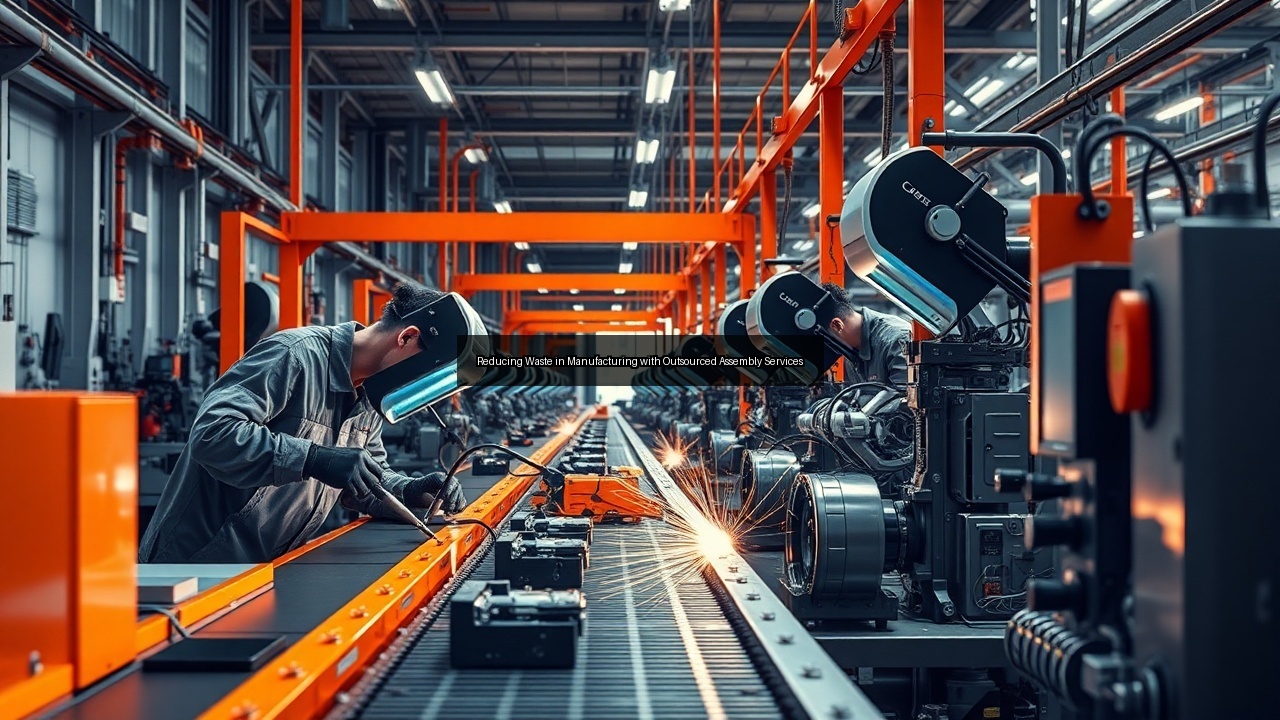
Automotive plants rely heavily on outsourced assembly services to manage complex welding operations and module integration without expanding their own footprint. Electronics manufacturers outsource subassembly to control contamination risks that generate defective units. Medical device companies turn to specialists for cleanroom assembly that meets strict regulatory standards while reducing packaging waste through precise component handling.
Aerospace firms use these services to incorporate lightweight architecture elements during fabrication without maintaining multiple internal lines. Each sector benefits from reduced inventory buffers and lower obsolescence rates. The common thread remains consistent: outsourced assembly services channel production toward demand-driven models that cut material loss across the board.
Streamlining Production with Outsourced Assembly
Optimizing Assembly Lines for Efficiency
Specialized providers redesign assembly lines to eliminate redundant steps that contribute to manufacturing waste. They position workstations for minimal travel distance and integrate automated feeders that prevent part damage during handling. This layout discipline reduces cycle times and lowers the volume of components damaged before reaching final stations. Manufacturers observe immediate drops in energy use because lines run only when orders dictate rather than at constant capacity.
Effective optimization also involves cross-training operators on multiple stations, which prevents bottlenecks that force rushed production and subsequent scrap. Outsourced assembly teams apply data analytics to balance workloads in real time, ensuring every shift contributes usable output. The outcome is a tighter process that respects both throughput targets and resource conservation.
Reducing Waste through Effective Management
Effective management of outsourced assembly services centers on just-in-time material delivery that prevents excess stock from accumulating and expiring. Providers track component usage against actual build schedules, flagging discrepancies before they translate into discarded parts. This discipline extends to packaging solutions that protect goods during transit without excessive cushioning materials.
Regular reviews of production data reveal patterns in defect generation, allowing targeted adjustments that cut waste at the source. Teams coordinate with suppliers to standardize part tolerances, which decreases the frequency of fit issues that require rework. The cumulative effect appears in lower disposal costs and improved margins across the manufacturing operation.
The Role of Quality Control in Outsourced Assembly
Quality control forms the backbone of waste reduction when manufacturers engage outsourced assembly services. Providers implement layered inspections that catch deviations early, before components advance to costly later stages. Statistical sampling replaces 100 percent checks in stable processes, freeing capacity while still protecting final output integrity.
Documented procedures ensure every assembly line operator follows verified methods that minimize variation. When issues surface, root-cause analysis occurs quickly because dedicated teams maintain focused oversight rather than juggling multiple product families. Manufacturers receive transparent reports that support corrective actions, reinforcing reliability throughout the supply chain.
Enhancing Reliability and Quality in Manufacturing
Best Practices for Quality Inspections
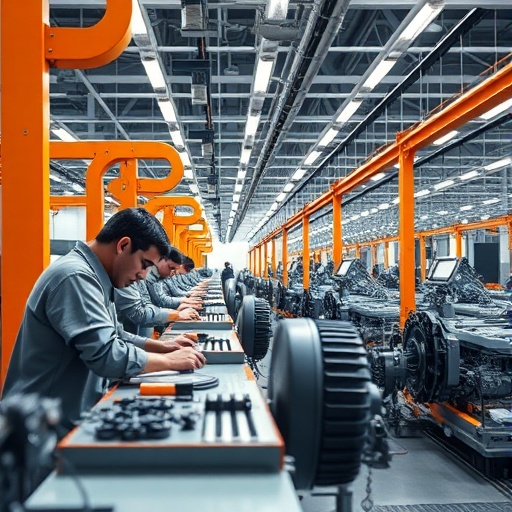
Best practices for quality inspections begin with incoming material verification that confirms specifications before any assembly begins. Providers calibrate gauges regularly and train staff to recognize subtle defects that escape automated vision systems. In-process checks occur at defined intervals along the assembly line, allowing immediate containment of nonconforming units.
Final audits incorporate functional testing that mirrors end-use conditions, catching latent problems that could generate field returns and additional waste. Documentation standards ensure traceability, which speeds investigations when anomalies appear. These disciplined steps raise overall reliability while trimming the volume of material that never reaches customers.
Ensuring Reliable Delivery through Outsourcing
Reliable delivery emerges when outsourced assembly services synchronize production schedules with downstream logistics. Providers maintain buffer capacity for surge periods without permanent excess inventory that risks obsolescence. Real-time visibility tools let manufacturers monitor progress and adjust forecasts before delays compound into rushed shipments and damaged goods.
Contractual performance metrics tie payments to on-time metrics and defect rates, aligning incentives around consistent output. This structure reduces the need for expedited freight that often results in poor packaging practices and product harm. The net result strengthens the entire manufacturing ecosystem against variability.
Case Studies: Success Stories in Automotive Manufacturing
Automotive manufacturers have documented clear waste reductions after shifting module assembly to specialized partners. One major plant cut scrap metal by 18 percent through outsourced welding cells that maintained tighter process controls than internal operations allowed. Another firm shortened its packaging waste stream by standardizing reusable containers managed by the assembly service provider.
These examples highlight how focused expertise in assembly lines improves both quality and delivery predictability. Teams gained floor space previously occupied by underutilized equipment, which they repurposed for higher-value activities. The pattern repeats across multiple facilities, confirming outsourced assembly services as a practical lever for sustainable manufacturing gains.
The Impact of Outsourcing on Time-to-Market
Speeding Up Production Cycles
Outsourced assembly services accelerate production cycles by removing the learning curve associated with new product introductions. Providers already possess tooling and trained personnel, allowing manufacturers to bypass internal ramp-up periods that consume materials during trial runs. Parallel processing across multiple assembly lines further compresses overall lead times.
Reduced setup times translate directly into lower waste because fewer test batches end in the reject pile. Manufacturers allocate internal resources to design validation rather than production troubleshooting, which improves first-pass yield from the outset. The compressed timeline supports competitive positioning without sacrificing process discipline.
Strategies for Effective Packaging Solutions
Effective packaging solutions developed by outsourced assembly partners protect finished goods while minimizing material volume. Providers select recyclable or reusable containers sized precisely to component dimensions, eliminating void fill that adds both cost and environmental load. Standardized returnable packaging loops reduce one-way shipping waste across the supply network.
Labeling and documentation integrate directly into the assembly workflow, preventing misrouting that leads to damaged shipments. These strategies support compliance with customer sustainability requirements while preserving product integrity during transit. The approach reinforces reliability from factory floor to final destination.
Balancing Cost and Time Efficiency in Manufacturing
Balancing cost and time efficiency requires clear metrics that track both direct expenses and hidden waste factors. Outsourced assembly services provide transparent pricing models that expose trade-offs between speed and volume commitments. Manufacturers evaluate total landed cost, including scrap, rework, and expedited freight, rather than isolated labor rates.
Data-driven negotiations allow partners to optimize batch sizes that suit actual demand patterns. This discipline prevents overproduction that inflates inventory carrying costs and eventual write-offs. The resulting equilibrium supports faster time-to-market without eroding margins or increasing discarded materials.
Future Trends in Outsourced Assembly Services

Innovations in Fabrication and Architecture
Innovations in fabrication and architecture reshape how outsourced assembly services integrate advanced materials into production. Modular construction techniques allow rapid reconfiguration of assembly cells to accommodate new product variants without extensive retooling. Digital twins of assembly lines enable virtual testing of process changes that reduce physical trial waste.
Providers adopt additive manufacturing for low-volume fixtures and tooling, cutting lead times while lowering material consumption compared with traditional subtractive methods. These advances strengthen manufacturing flexibility and support tighter integration between design intent and executed output.
Sustainable Practices to Reduce Manufacturing Waste
Sustainable practices gain traction as outsourced assembly services implement closed-loop material systems that recapture scrap for internal reuse. Energy recovery from process heat and water recycling reduce the environmental footprint of each assembly line. Providers track carbon intensity per unit produced, giving manufacturers data to meet regulatory and customer expectations.
Collaboration on design-for-disassembly guidelines ensures products reach end of life with higher recovery rates. These efforts lower overall waste volumes while maintaining competitive reliability and quality standards across the manufacturing sector.
The Rise of Automated Assembly and Its Implications
Automated assembly expands the capabilities of outsourced assembly services through collaborative robots and vision-guided systems that maintain consistent output quality. Reduced human handling decreases contamination risks and part damage that previously contributed to scrap. Predictive maintenance algorithms keep equipment running at peak efficiency, avoiding unplanned downtime that forces rushed manual interventions.
Manufacturers benefit from scalable capacity that matches demand fluctuations without permanent capital investment. The shift toward automation reinforces time-to-market advantages while embedding waste-reduction principles directly into production architecture. Continued adoption signals a maturing model for efficient, reliable manufacturing worldwide.