Navigating Building Automation with Precision Temperature Sensors
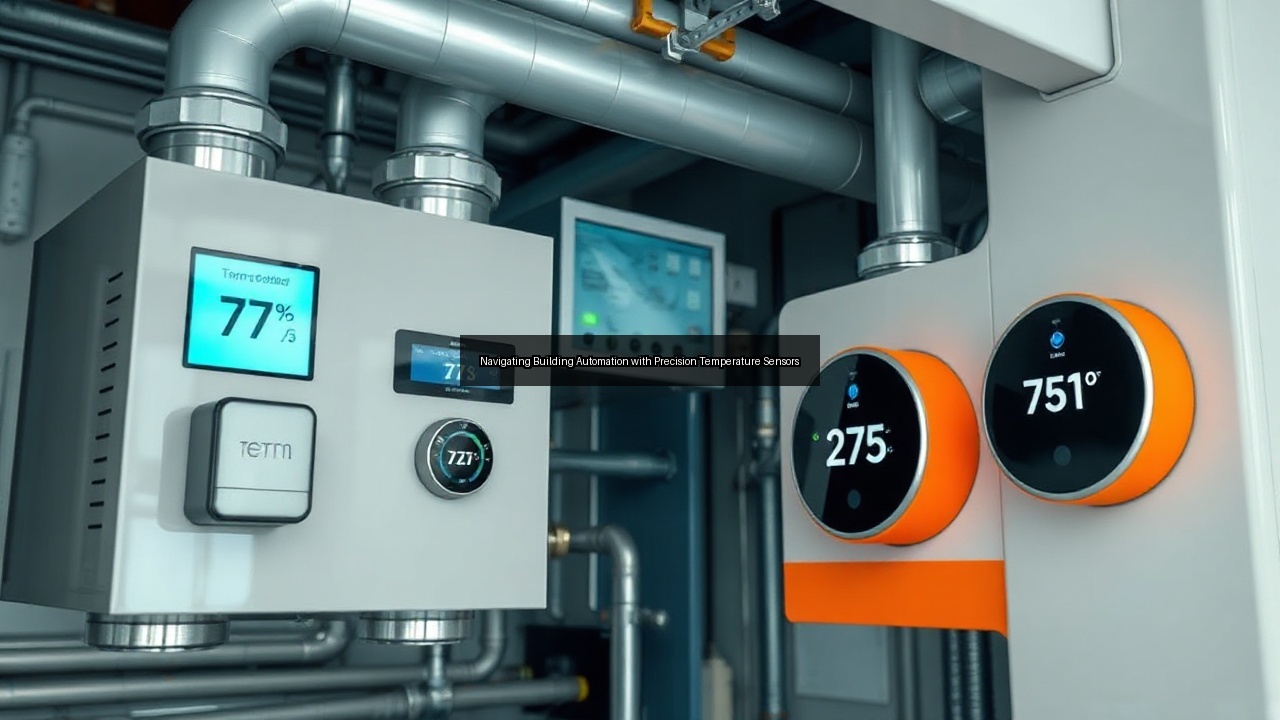
Understanding the Role of HVAC Temperature Sensors in Building Automation
The Importance of Precision in Temperature Measurement
Precision in temperature measurement is vital for effective building automation. HVAC temperature sensors are the backbone of any climate control system, ensuring optimal performance by accurately measuring the current temperature in various areas. A slight deviation from the desired temperature can lead to discomfort, increased energy consumption, and inefficient heating and cooling. For instance, if a temperature sensor underreports the ambient temperature, the HVAC system may overcompensate by working harder than necessary, which not only raises energy costs but also accelerates wear and tear on the equipment.
Precision temperature sensors help maintain indoor air quality and comfort levels. In environments like data centers, where equipment generates significant heat, accurate temperature readings are crucial for preventing overheating and ensuring optimal performance. Any fluctuations in temperature can lead to equipment failures or malfunctions. Thus, investing in high-quality HVAC temperature sensors guarantees accurate temperature measurement, ultimately enhancing system efficiency and longevity.
Types of HVAC Temperature Sensors: Thermocouples and Thermistors
Two popular types of HVAC temperature sensors are thermocouples and thermistors, each serving specific applications within building automation. Thermocouples consist of two different metals joined at one end. When heated, they produce a voltage proportional to the temperature difference between the joined end and the other end. These sensors can operate over a wide temperature range and are often used in industrial applications, making them suitable for HVAC systems that require robustness and reliability.
On the other hand, thermistors are temperature-sensitive resistors that offer high sensitivity and accuracy within a limited temperature range. They change resistance in response to temperature variations, making them ideal for indoor applications where fine temperature control is paramount. For smart thermostats, thermistors often provide the necessary precision to optimize heating and cooling cycles based on real-time data. Understanding the differences between these sensors allows building managers to choose the right type for their specific HVAC system needs, ensuring effective climate control and energy efficiency.
Integration with Smart Thermostats and Automation Systems
Integrating HVAC temperature sensors with smart thermostats and automation systems revolutionizes building management. Smart thermostats utilize data from temperature sensors to adjust heating and cooling settings automatically. This integration not only enhances comfort but also significantly reduces energy consumption. By analyzing real-time temperature data, smart thermostats can identify patterns, such as occupancy levels, and adjust HVAC operations accordingly.
Automation systems leverage these integrations to optimize overall building performance. For example, an air handling unit equipped with precision temperature sensors can maintain specific temperature zones throughout a building, ensuring that every space meets its unique climate control requirements. Moreover, the ability to monitor and control HVAC systems remotely adds an extra layer of convenience and efficiency. As automation technology advances, the synergy between HVAC temperature sensors and smart systems will continue to enhance building automation, leading to energy savings and improved indoor air quality.
Optimizing Climate Control with Effective Temperature Monitoring
How Temperature Sensors Enhance Indoor Air Quality
Indoor air quality (IAQ) significantly impacts occupant health and productivity. HVAC temperature sensors play a crucial role in maintaining optimal IAQ by regulating temperature and humidity levels. By providing accurate measurements, these sensors help HVAC systems adjust airflow and temperature settings to create a comfortable environment free from allergens and pollutants.
For example, when temperature sensors detect an increase in temperature indicative of overpopulation in a room, the HVAC system can respond by increasing ventilation. This action helps dilute indoor contaminants and maintain healthy air quality. Many modern HVAC systems also integrate humidity sensors alongside temperature sensors, allowing for comprehensive climate control. This synergy ensures that the air remains at comfortable humidity levels, further enhancing indoor air quality.
Furthermore, effective temperature monitoring helps prevent the growth of mold and mildew, common issues in poorly controlled environments. By keeping temperature and humidity within acceptable ranges, building managers can protect both occupants’ health and the integrity of the building structure. The combination of precise temperature control and a focus on IAQ positions HVAC temperature sensors as essential tools in modern building automation.
The Impact of Calibration on Sensor Accuracy
Calibration of HVAC temperature sensors is critical for ensuring accurate temperature readings. Over time, sensors can drift from their original calibration due to factors such as environmental conditions, wear and tear, or manufacturing variances. Regular calibration ensures that sensors provide precise measurements, which is essential for effective climate control and energy efficiency.
Calibration typically involves comparing the sensor’s output to a known reference standard, such as those provided by the National Institute of Standards and Technology (NIST). This process identifies any discrepancies and allows for adjustments to be made. Failure to regularly calibrate sensors can lead to incorrect temperature readings, causing the HVAC system to operate inefficiently, which can increase energy costs and compromise comfort.
Building managers should establish a routine maintenance schedule that includes sensor calibration as a key component. Incorporating automated calibration technologies can also simplify this process, ensuring that temperature sensors remain accurate without significant manual intervention. By prioritizing calibration, businesses can enhance their HVAC systems' performance, resulting in better energy efficiency and improved indoor air quality.
Utilizing Occupancy Sensors for Efficient Heating and Cooling
Incorporating occupancy sensors into HVAC temperature control systems significantly enhances energy efficiency. These sensors detect the presence of people within a space and can adjust heating and cooling accordingly. By integrating occupancy sensors with HVAC temperature sensors, systems can operate more intelligently, providing heating and cooling only when necessary.
For instance, if a conference room is unoccupied, the HVAC system can temporarily reduce heating or cooling efforts, saving energy and reducing costs. This responsive approach not only optimizes energy usage but also extends the lifespan of HVAC equipment by minimizing unnecessary operation. When the occupancy sensor detects movement, the system can quickly respond to restore comfort levels, ensuring that spaces remain pleasant for occupants without wasting energy.
Moreover, the combination of temperature and occupancy sensors contributes to advanced building automation strategies. These systems can analyze data from both types of sensors to develop predictive algorithms that optimize climate control based on occupancy patterns. By leveraging this data, buildings can achieve significant energy savings while maintaining high standards of indoor air quality and comfort.
Challenges and Solutions in HVAC Temperature Management
Common Issues with Temperature Sensors and Calibration
Despite their importance, HVAC temperature sensors can face several challenges that impact their effectiveness. Common issues include sensor drift, improper installation, and environmental factors such as dust and moisture that can interfere with readings. Sensor drift occurs when the sensor’s accuracy degrades over time, leading to incorrect temperature measurements.
Improper installation can also hinder the performance of HVAC temperature sensors. For example, sensors placed too close to heat sources or in areas with poor airflow may not provide accurate readings of the general environment. Environmental factors, such as dust accumulation, can obstruct airflow and affect sensor performance, leading to inaccurate temperature data. Regular maintenance and cleaning of sensors can mitigate these issues, ensuring they deliver precise measurements consistently.
Additionally, calibration challenges arise when facilities lack the necessary tools or knowledge to perform routine calibrations. Building managers should prioritize staff training on sensor maintenance and calibration to avoid these common pitfalls. Implementing a proactive maintenance plan that includes regular inspections and recalibrations will help maintain sensor accuracy and extend their lifespan.
Best Practices for Maintaining HVAC Temperature Sensors
Maintaining HVAC temperature sensors requires a systematic approach to ensure their accuracy and reliability. Regular inspections and cleaning are essential components of sensor maintenance. Dust, dirt, and debris can accumulate on sensors, leading to inaccurate readings. Cleaning sensors periodically helps maintain optimal performance.
Establishing a calibration schedule is another best practice. Calibration should occur at least once a year, or more frequently in environments with significant temperature fluctuations, such as industrial settings. Utilizing calibration equipment that meets NIST standards ensures accurate results. Building managers should keep detailed records of calibration activities for accountability and compliance.
Furthermore, training staff on proper installation procedures, maintenance tasks, and troubleshooting techniques enhances sensor reliability. When staff understands how to identify potential issues, they can address them before they escalate into significant problems. By prioritizing maintenance and fostering an environment of continuous improvement, organizations can enhance the performance of their HVAC systems and ensure consistent indoor comfort.
Future Trends in HVAC Sensors for Enhanced Building Automation
The future of HVAC temperature sensors in building automation looks promising, driven by advancements in technology and the growing demand for energy efficiency. Smart sensors equipped with IoT capabilities will increasingly dominate the market. These sensors can communicate with other devices and systems, enabling real-time data sharing and analysis. This connectivity will facilitate predictive maintenance, allowing HVAC systems to identify potential issues before they lead to failures.
Integration with machine learning algorithms offers another frontier for HVAC temperature sensors. These algorithms can analyze historical data and optimize HVAC operations based on predictive models, leading to enhanced energy efficiency and occupant comfort. Additionally, the development of multi-sensor systems that combine temperature, humidity, and occupancy data will provide comprehensive insights into building performance.
As regulations around energy efficiency become more stringent, the demand for advanced HVAC temperature sensors will continue to rise. Businesses that embrace these innovations will not only enhance their building automation systems but also contribute to sustainability efforts. Investing in cutting-edge sensor technology positions organizations to thrive in an era of smart buildings and energy-conscious management.
See Also
- Understanding the Importance of Thermowells in HVAC Systems
- Unlocking Efficiency with HVAC Temperature Sensors for Smart Homes
- Maximizing Energy Savings Through Smart HVAC Temperature Monitoring
- Choosing the Right HVAC Temperature Sensor for Your Heating and Cooling Needs
- The Impact of Occupancy Sensors on HVAC Temperature Regulation