The Role of Swiss Machining in Enhancing CNC Efficiency
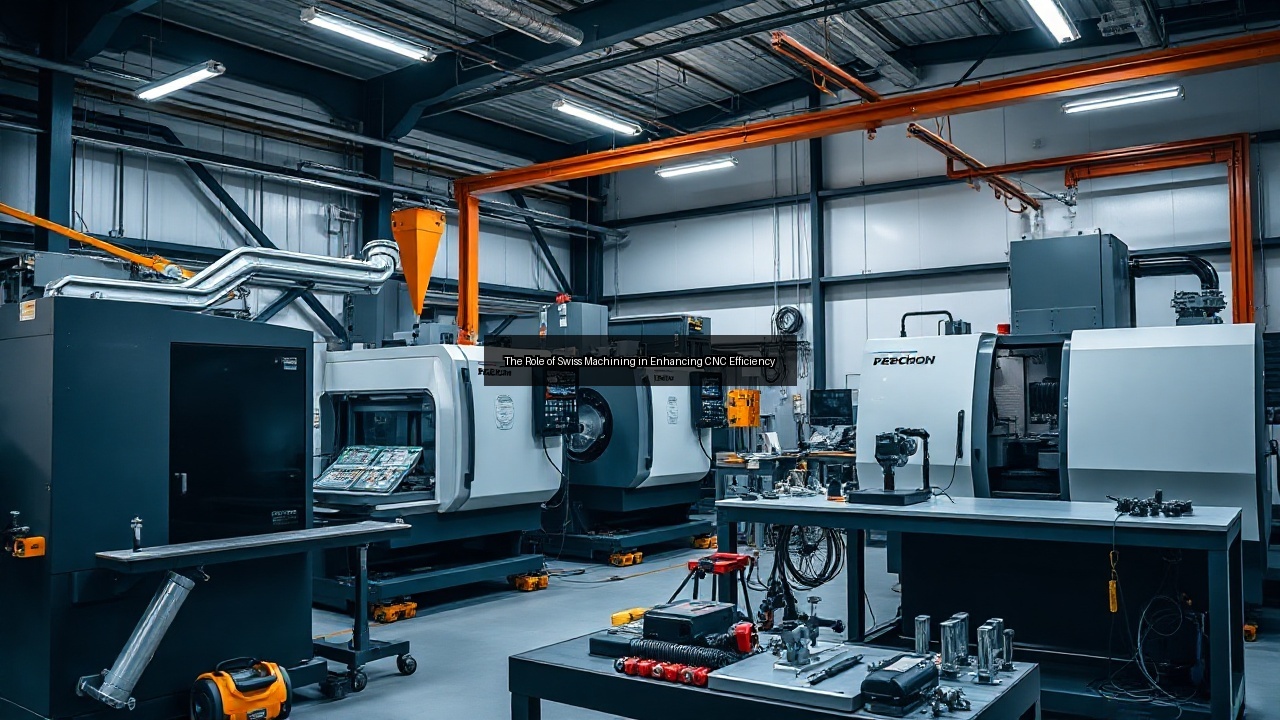
Understanding Swiss Machining and Its Applications
What is Swiss Machining?
Swiss machining, also known as Swiss screw machining, refers to a precision manufacturing process that utilizes sliding headstock lathes to produce complex, high-precision components. This technique originates from Switzerland, where it was initially developed to efficiently manufacture small, intricate parts such as watch components. Swiss machining excels in producing parts with tight tolerances, often measuring in the microns, making it ideal for industries that demand exceptional accuracy. The unique operation of Swiss machines allows for continuous cutting, which minimizes waste and maximizes efficiency. This method stands out in the realm of CNC machining due to its ability to handle a variety of materials effectively.
Key Components of Swiss Machining
Swiss machining relies on several key components that contribute to its efficiency and precision. The spindle plays a crucial role, holding and rotating the workpiece while various cutting tools perform the necessary operations. These machines often feature multiple tool stations that can accommodate different tools for diverse operations, including drilling, threading, and milling. The sliding headstock design allows for the workpiece to move forward as it is machined, significantly reducing the need for excessive tool changes and wait times. Additionally, advanced CNC controls ensure that each operation is executed with optimal precision, further enhancing the capabilities of Swiss machining services.
Applications in Various Industries
Swiss machining finds applications across numerous industries, demonstrating its versatility and effectiveness. In the aerospace sector, manufacturers require components such as brackets, housings, and fittings that adhere to stringent safety and performance standards. The medical industry also benefits from Swiss machining, producing high-precision parts for surgical instruments, implants, and devices where accuracy is paramount. Automotive manufacturing relies on Swiss machined parts for engine components, fasteners, and precision assemblies. Furthermore, industries such as electronics, telecommunications, and consumer goods utilize Swiss machining to create intricate components, including connectors, pins, and screws, showcasing the process's adaptability to diverse production needs.
Enhancing CNC Efficiency with Swiss Machining
Speed and Throughput Optimization
Swiss machining significantly enhances CNC efficiency by optimizing speed and throughput. The design of Swiss machines allows for continuous machining, where multiple operations occur simultaneously, minimizing the time required for each cycle. This setup enables the production of complex parts in high volumes, which is particularly beneficial for manufacturers needing to meet tight deadlines. The automatic feeding mechanism of Swiss machines contributes to uninterrupted workflows, reducing idle time and increasing overall productivity. With the ability to produce parts at a rapid pace without sacrificing quality, Swiss machining services deliver an edge in competitive manufacturing environments.
Precision and Accuracy in Machining
Precision and accuracy form the cornerstone of Swiss machining, making it an invaluable asset in fields demanding tight tolerances. The advanced CNC controls of Swiss machines allow for the meticulous adjustment of parameters, ensuring that each component meets the exact specifications required. This high level of precision is crucial for applications where even minor deviations can lead to significant operational issues. The ability to work with various materials, including stainless steel, nylon, and copper, further enhances the functionality of Swiss machining in producing accurate parts. Consistent quality control measures, including regular calibration and adherence to ISO 9001 standards, reinforce the reliability of Swiss machining processes.
Comparative Analysis: Swiss vs. Traditional CNC Machining
Comparing Swiss machining to traditional CNC machining reveals distinct advantages and applications for each method. Traditional CNC machines often excel in producing larger parts but may struggle with the intricate geometries and tight tolerances that Swiss machines handle effortlessly. Swiss machining is particularly advantageous for small, complex components, as its design facilitates precision turning and milling while maintaining a compact footprint. Additionally, Swiss machines can often operate at higher speeds, resulting in increased throughput without sacrificing quality. While traditional CNC machining remains vital for various applications, the unique capabilities of Swiss machining services position them as the preferred choice for high-precision, high-volume production.
Materials and Processes in Swiss Machining
Common Materials Used: Teflon, Nylon, Acetal, and Copper
Swiss machining accommodates a wide variety of materials, allowing manufacturers to select the best options for their specific applications. Common materials include Teflon (PTFE), known for its non-stick properties and chemical resistance, making it ideal for components in the chemical and food industries. Nylon offers durability and flexibility, often used for gears and bushings that require low friction. Acetal, another popular choice, boasts excellent machinability and dimensional stability, making it suitable for precision parts. Copper, frequently used in electrical applications, provides excellent conductivity and is often machined into connectors and terminals. The versatility of Swiss machining services allows for effective fabrication of these diverse materials, meeting industry-specific requirements.
The Role of CNC Turning and Milling in Fabrication
CNC turning and milling play pivotal roles in the Swiss machining process, facilitating the fabrication of high-precision components. CNC turning utilizes a rotating workpiece and stationary cutting tools to shape the material into desired forms. This method excels in producing cylindrical parts, such as pins and screws, with exceptional accuracy. Conversely, CNC milling employs rotating cutting tools to remove material from a stationary workpiece, enabling the creation of complex geometries and features. The combination of both processes in Swiss machining allows manufacturers to produce intricate parts in a single setup, drastically reducing lead times and enhancing overall efficiency. This integrated approach drives the effectiveness of Swiss machining services in meeting diverse manufacturing challenges.
Understanding Tolerances in Swiss Machining
Tolerances in Swiss machining refer to the permissible limits of variation in a manufactured component's dimensions. Achieving tight tolerances is essential in industries such as aerospace and medical devices, where precision is critical to ensure functionality and safety. Swiss machining excels in maintaining these stringent tolerances, often reaching within ±0.005 mm (±0.0002 inches) or tighter. This capability stems from the advanced CNC technology and the inherent design of Swiss machines, which minimize the effects of tool wear and thermal expansion. Understanding and controlling tolerances is fundamental to delivering high-quality, swiss machined components that meet customer specifications and regulatory standards.
Quality Standards and Best Practices
ISO 9001 Certification in CNC Machining Services
ISO 9001 certification represents a commitment to quality management systems and serves as a benchmark for manufacturers in the CNC machining industry. Adhering to these standards ensures that Swiss machining services maintain high levels of quality, reliability, and efficiency throughout the production process. This certification requires companies to implement rigorous quality control measures, including regular audits, documentation, and continuous improvement initiatives. By embracing ISO 9001 standards, manufacturers can enhance their operational processes, reduce waste, and improve customer satisfaction. This commitment to quality reinforces the reputation of Swiss machining services in the competitive landscape of precision manufacturing.
Logistics Management for Efficient Production
Effective logistics management is vital for optimizing production efficiency in Swiss machining operations. Efficient supply chain practices ensure that materials arrive on time and in the right quantities to meet production schedules. Implementing Just-In-Time (JIT) manufacturing principles minimizes inventory costs while maximizing responsiveness to customer demands. Additionally, proper logistics management facilitates seamless communication between suppliers, manufacturers, and customers, enabling timely adjustments to production plans. By streamlining logistics, manufacturers can enhance their ability to deliver high-quality, precision machined components while maintaining competitive lead times. This proactive approach to logistics management significantly contributes to the overall success of Swiss machining services.
Case Study: McCormick Industries and Swiss Machining Excellence
McCormick Industries exemplifies excellence in Swiss machining, showcasing how effective practices lead to superior outcomes. As a leader in the manufacturing of precision components, McCormick employs state-of-the-art Swiss machining technology to produce high-quality parts for various industries, including aerospace and automotive. Their commitment to ISO 9001 certification ensures that every component meets stringent quality standards. Through effective logistics management and a focus on continuous improvement, McCormick maintains a competitive edge in the market. This case study illustrates the impact of adopting Swiss machining practices, highlighting the importance of quality, efficiency, and precision in modern manufacturing.
See Also
- Enhancing Product Quality with Swiss Machining Fabrication Techniques
- Swiss Machining Services for High-Volume Production Runs
- How McCormick Industries is Revolutionizing Swiss Screw Machining
- The Future of CNC Machining How Swiss Techniques are Leading the Way
- A Deep Dive into Swiss Machining Tools and Their Impact on Quality