Key Considerations for Dehumidifier Placement in Your Business
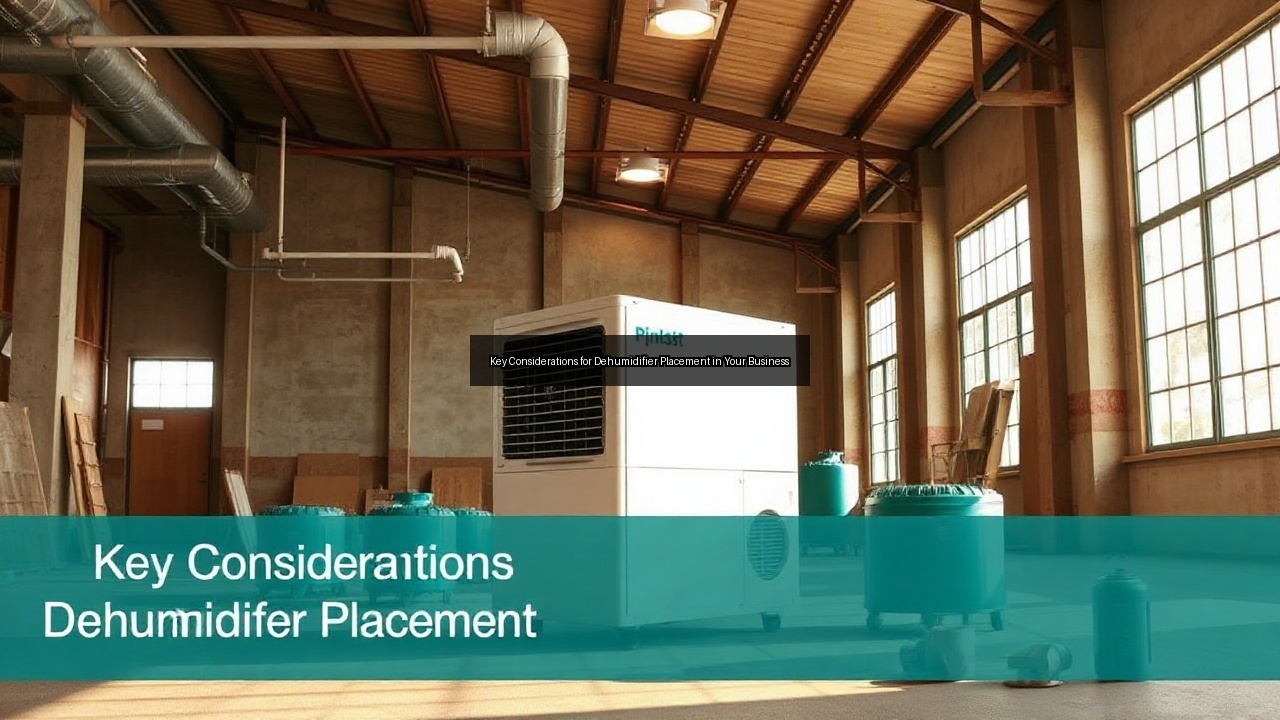
Understanding the Importance of Dehumidifier Placement
Impact of Humidity on Business Operations
Humidity levels can significantly affect business operations, especially in environments like warehouses, spas, and construction sites. Excess moisture can lead to various complications, including damage to equipment, inventory spoilage, and even employee discomfort. High humidity creates an unwelcoming atmosphere that can hinder productivity. Additionally, specific industries, such as food storage and pharmaceuticals, have strict humidity requirements to maintain product integrity. A commercial dehumidifier plays a crucial role in regulating humidity levels, ensuring that your business operations run smoothly and efficiently. Understanding the impact of humidity on your specific business sector is vital for selecting the right dehumidifier unit, positioning it correctly, and ultimately ensuring a productive environment.
The Role of Dehumidifiers in Mold Prevention
Mold thrives in high-humidity environments, posing health risks and damaging property. Businesses that store sensitive materials, such as textiles, paper, or electronics, must prioritize mold prevention. A commercial dehumidifier effectively reduces moisture in the air, creating an inhospitable environment for mold spores. By keeping humidity levels below 60%, you can significantly deter mold growth and protect your assets. Implementing dehumidification strategies not only safeguards your business from potential mold issues but also enhances overall air quality. In turn, this promotes a healthier workplace and reduces the likelihood of employee sick days related to mold exposure. Investing in a suitable dehumidifier is an essential step in mold prevention and maintaining a safe business environment.
How Dehumidification Affects Air Quality
Dehumidification significantly contributes to improved air quality, which is essential for employee well-being and productivity. High humidity often correlates with the growth of allergens, dust mites, and mold, all of which can negatively impact respiratory health. A commercial dehumidifier removes excess moisture, thus improving air circulation and reducing the presence of these harmful particles. Enhanced air quality leads to a more comfortable working environment, which can boost employee morale and efficiency. In addition, businesses that prioritize air quality may experience lower turnover rates and higher job satisfaction among employees. Overall, effective humidity control through proper dehumidifier placement sets the foundation for a healthier workplace.
Factors to Consider for Optimal Placement
Assessing Space Requirements and Coverage Area
When placing a commercial dehumidifier, assess the space requirements and coverage area to ensure effective operation. Each unit has a specified capacity measured in pints of moisture removal per day, which indicates its ability to handle specific humidity levels in a given space. Evaluate the size of your business area, whether it's a warehouse, spa, or construction site. The ideal placement should allow the dehumidifier to cover the intended area without obstruction. Additionally, consider the layout of your space, including any partitions or equipment that could impact airflow. A well-placed unit maximizes efficiency, ensuring that all corners of the room receive adequate dehumidification, thereby enhancing overall effectiveness.
Determining the Ideal Air Flow for Dehumidifiers
Proper air flow is crucial for the effective operation of a dehumidifier. These units rely on circulating air to remove moisture, so positioning them near airflow pathways helps improve efficiency. Avoid placing dehumidifiers in enclosed spaces where airflow can be restricted. Instead, position them in open areas or near HVAC systems to allow for optimal air circulation. Ensure that the dehumidifier has adequate clearance from walls and furniture to facilitate smooth airflow. Additionally, consider the CFM (cubic feet per minute) rating of your unit, which indicates how much air it can process. A unit with a higher CFM rating will circulate air more effectively, making it crucial for large spaces with high humidity.
Understanding the Role of Temperature in Dehumidification
Temperature plays a vital role in the dehumidification process. Warm air holds more moisture than cool air, so understanding temperature fluctuations in your commercial air dehumidifier workspace helps determine the best dehumidifier for your needs. In warmer months, humidity levels tend to rise, necessitating a robust commercial dehumidifier to combat excess moisture. Conversely, in cooler months, humidity might drop, potentially requiring less dehumidification. Additionally, consider the heat generated by equipment or machinery in your business; this can affect humidity levels. A dehumidifier that can operate effectively in varying temperatures will ensure consistent humidity control, protecting your business from moisture-related issues year-round.
Practical Tips for Efficient Dehumidifier Setup
Positioning Near HVAC Systems for Enhanced Efficiency
Positioning your commercial dehumidifier near HVAC systems can significantly enhance its efficiency. HVAC systems are designed to regulate temperature and air quality, making them ideal partners for dehumidifiers. When placed strategically, the dehumidifier can work alongside the HVAC system to maintain optimal humidity levels throughout the space. This setup allows for better air circulation and moisture removal, resulting in improved air quality. Additionally, HVAC systems often help distribute the dehumidified air more evenly, ensuring that every part of the space benefits from effective humidity control. This coordinated approach can lead to lower energy costs as both systems work in harmony to create a comfortable environment.
Utilizing Pumps and Hoses for Effective Water Removal
Efficient water removal is crucial for maintaining the performance of your commercial dehumidifier. Many models come equipped with built-in pumps and hoses for direct drainage, allowing for continuous operation without the need to manually empty water tanks. Utilizing these features helps streamline the dehumidification process, especially in large spaces or high-humidity environments where water accumulation can occur rapidly. Ensure that the hose is positioned correctly to facilitate seamless drainage, preventing water buildup and potential leaks. This setup not only enhances the unit's efficiency but also minimizes maintenance efforts, allowing you to focus on other essential aspects of your business.
Sound Pressure Levels: Balancing Noise and Performance
Sound pressure levels can be a significant consideration when selecting and placing a commercial dehumidifier. While powerful units may deliver dehumidifiers for commercial outstanding performance, they can also generate substantial noise. In environments such as offices or spas, excessive noise can disrupt operations and affect customer satisfaction. When choosing a dehumidifier, examine its sound pressure level ratings to ensure it aligns with your business's noise tolerance. Look for units designed with noise-reduction features, such as insulated casings or quieter fans. Positioning the unit away from workspaces or customer areas can also help mitigate noise. Balancing performance and sound levels is essential for maintaining a comfortable atmosphere in your business.
Monitoring and Maintenance for Longevity
Regular Checks on Humidity Levels and Performance
Regular monitoring of humidity levels and the performance of your commercial dehumidifier is essential for ensuring long-term efficiency. Invest in a hygrometer to track humidity levels within your space continuously. This device allows you to make informed decisions about when to adjust settings or evaluate the unit's performance. Regular checks also help identify any fluctuations or issues early, preventing potential damage from excessive moisture. Additionally, schedule routine maintenance for your dehumidifier, including cleaning filters and checking hoses, to keep it operating effectively. A proactive approach to monitoring and maintenance will extend the life of your dehumidifier and ensure your business remains moisture-free.
Energy Star Ratings: Choosing Energy Efficient Units
Energy efficiency is a significant consideration when selecting a commercial dehumidifier. Units with Energy Star ratings operate more efficiently, reducing energy consumption without sacrificing performance. Choosing an energy-efficient model not only lowers operational costs but also supports environmental sustainability. Look for dehumidifiers that meet or exceed Energy Star requirements, ensuring they utilize innovative technology for optimal moisture removal while conserving energy. An energy-efficient unit can be a wise investment, especially for businesses that operate continuously or have high moisture removal needs. By prioritizing energy efficiency, you can enhance your bottom line while contributing to a greener planet.
Adapting to Seasonal Changes: Flooding and Drying Needs
Seasonal changes can dramatically affect humidity levels, requiring you to adapt your dehumidification strategies. In rainy seasons or during flooding, humidity levels can skyrocket, necessitating increased dehumidification efforts. Conversely, in drier months, you may need to adjust settings to prevent over-drying. Understanding your business's unique needs during different seasons is vital for effective moisture control. Monitor weather patterns and be prepared to adjust your dehumidifier's settings as needed. This adaptability ensures that your commercial space remains comfortable and safe for employees and customers alike, regardless of external conditions. Being proactive about adjusting to seasonal changes can prevent moisture-related issues throughout the year.